

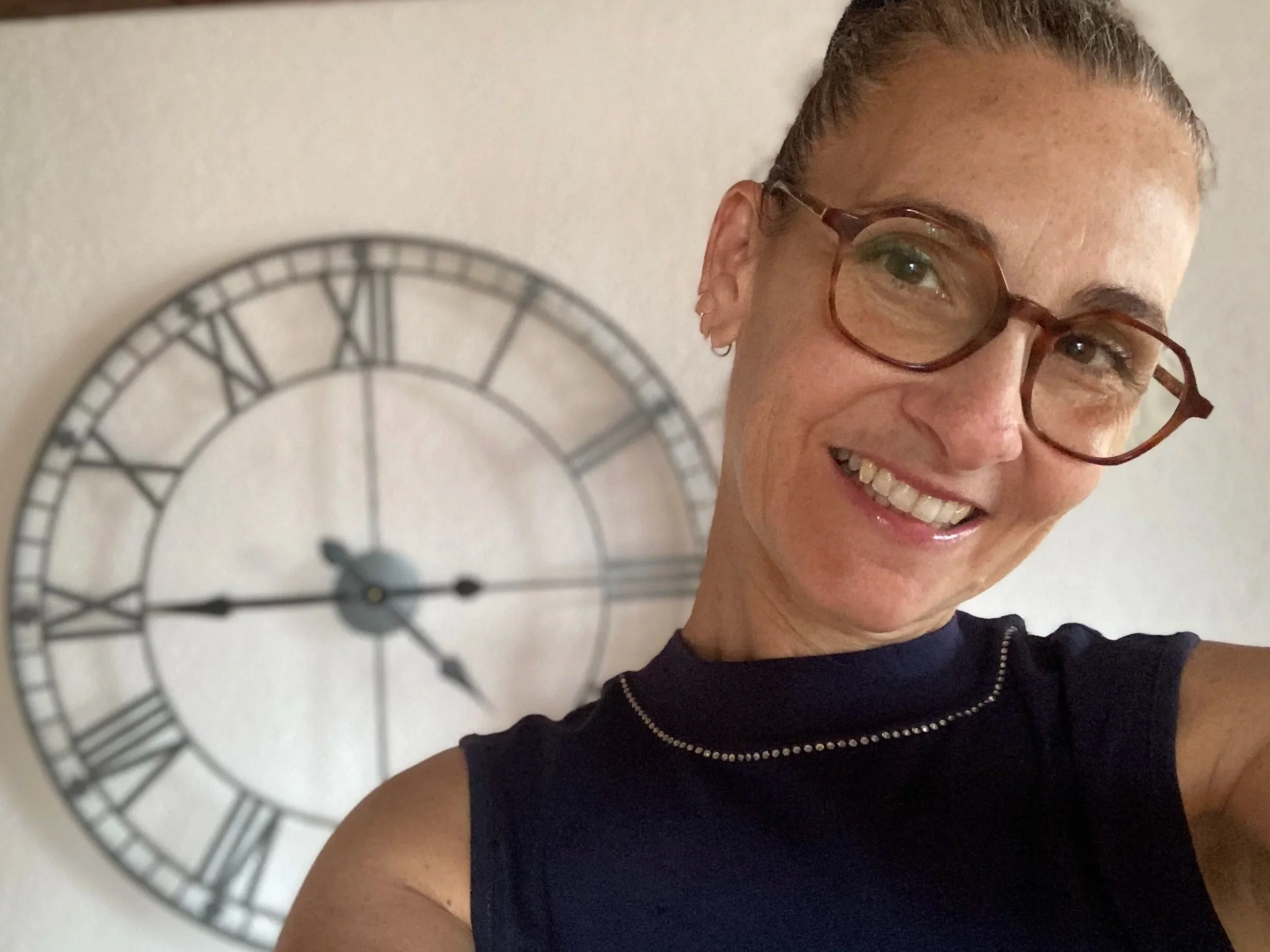
My brain wakes up at 4 pm. And yours? Our biological clock (Chronotype)
Mornings were never my thing. Dr. Camilla Kringe's work on biological clock confirms we're wired differently. Knowing our chronotype, ie the time of day when our energy, focus, and creativity naturally peak, can help us work with our biology instead of against it and make a real difference in how we feel and perform. You can test your chronotype at : https://qxmd.com/calculate/calculator_829/morningness-eveningness-questionnaire-meq
What makes us laugh? Our humour style
Knowing our humour style might serve as a useful clue to why we may click instantly, connect easier and have natural affinity with some people. It also helps us appreciate that we all experience the world a little differently.
The Circle of Control - What's Actually in Your Control (And What Isn't)
Chasing the "right" career decision can feel like a full-time job. This post is about what actually helps: getting clear on what's within your control, like gathering information and trusting your gut, and making peace with what isn't. A grounded reflection for anyone weighing career choices (and other) without a guaranteed outcome.

The Passion Quest by Marcia Reynolds, PsyD, MCC
Sometimes our passions lie below the surface. It has been so long since we have fed our passions, we forget what they look and feel like. The following exercise will help you to get back in touch with your life’s passions. You need at least 30 minutes in a comfortable place to adequately do this exercise.
It is best to do this with a buddy. Answer the questions out loud. Speaking about your passions helps you to recall the wonderful feelings they inspire.

A simple intuition-driven exercise for decision making by Dr. Laura Huang
Sometimes we analyse so much that we end up stuck. Here's a simple exercise from You Already Know by Dr. Laura Huang that help us tap into our gut feeling & intuition when making decisions.
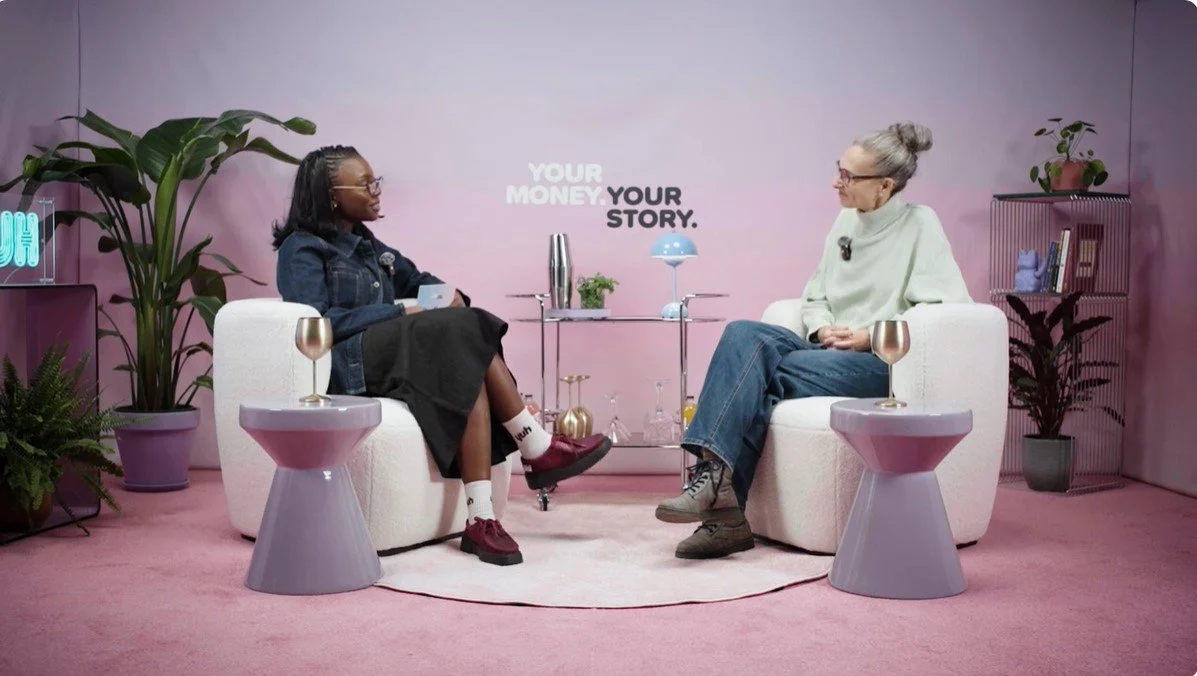
Let’s talk about imposter syndrome
Le syndrome de l'imposteur touche presque tout le monde, même les personnes les plus compétentes. Dans cet épisode, on en parle sans jargon, avec des clés pour avancer malgré le doute.
Imposter syndrome affects almost everyone, even the most competent people. In this episode, we talk about it without the jargon, with real keys to move forward despite the doubt. A podcast episode (in French) on imposter syndrome and some tricks for moving forward despite it: https://youtu.be/h6bn-2tH-As?si=c80Tq0oQkEbTZJ0w